Massage After Hiking: Quick Recovery for Sore Muscles in the Allgäu
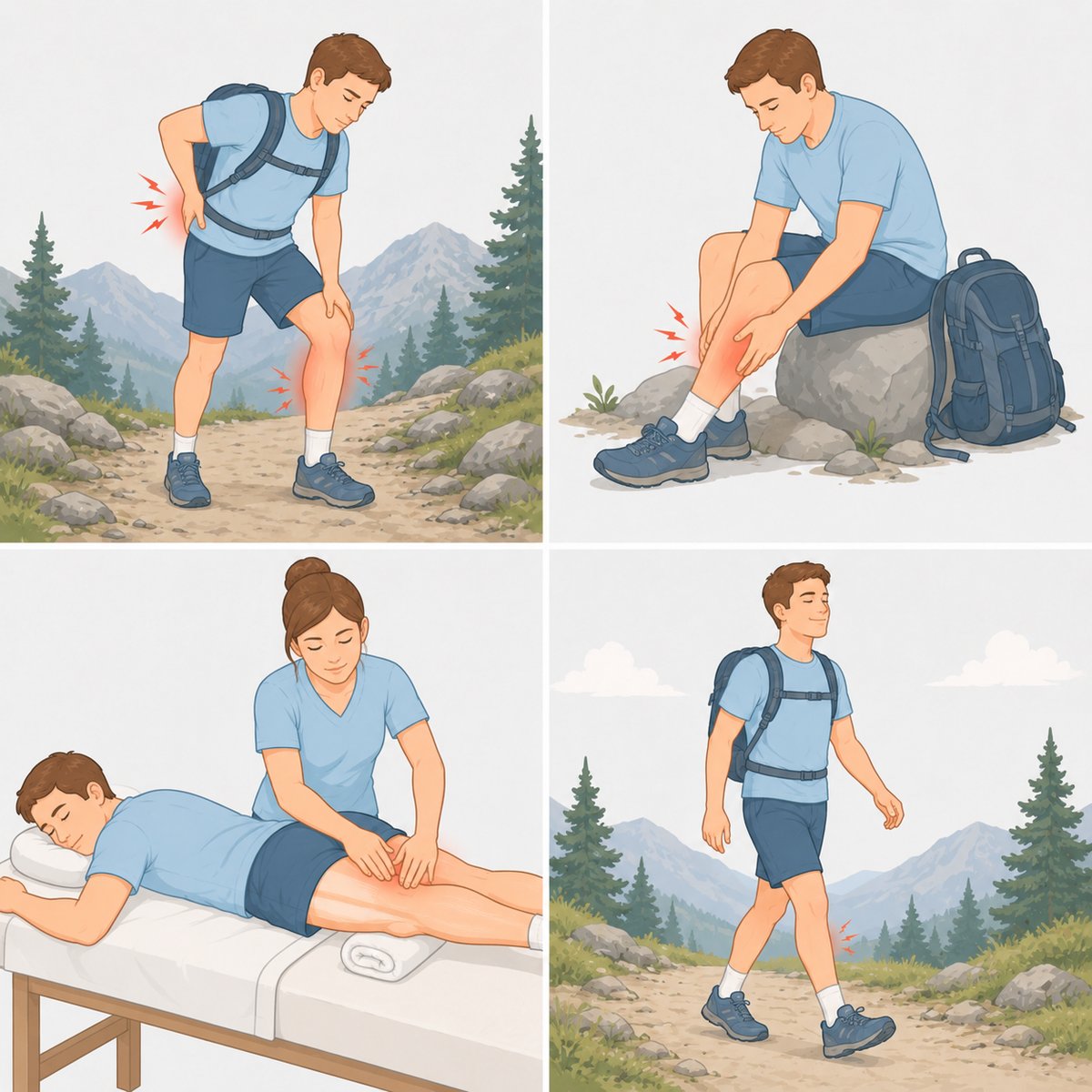
You made it up to the Grünten summit, enjoyed the views at lunchtime and came back to the valley happy and tired. The next morning, stairs feel impossible, your calves are burning and your back is as stiff as a board. Welcome to the muscle soreness that follows almost every long hike in the Allgäu — a familiar feeling for anyone who loves the Alps. The good news: with the right recovery routine, you can be ready for your next stage within one or two days.
Why mountain hiking hits the muscles so hard
Hiking is not a steady endurance sport like running on flat asphalt. In the Allgäu, the trails switch constantly between climbs, scree, snow and steep descents — and that variety is exactly what challenges your muscles in a unique way.
Eccentric load on the descent: When hiking downhill, your thighs and calves don’t just work — they have to brake your body with every step. This eccentric muscle action causes tiny tears in the muscle fibres and is the classic cause of next-day soreness.
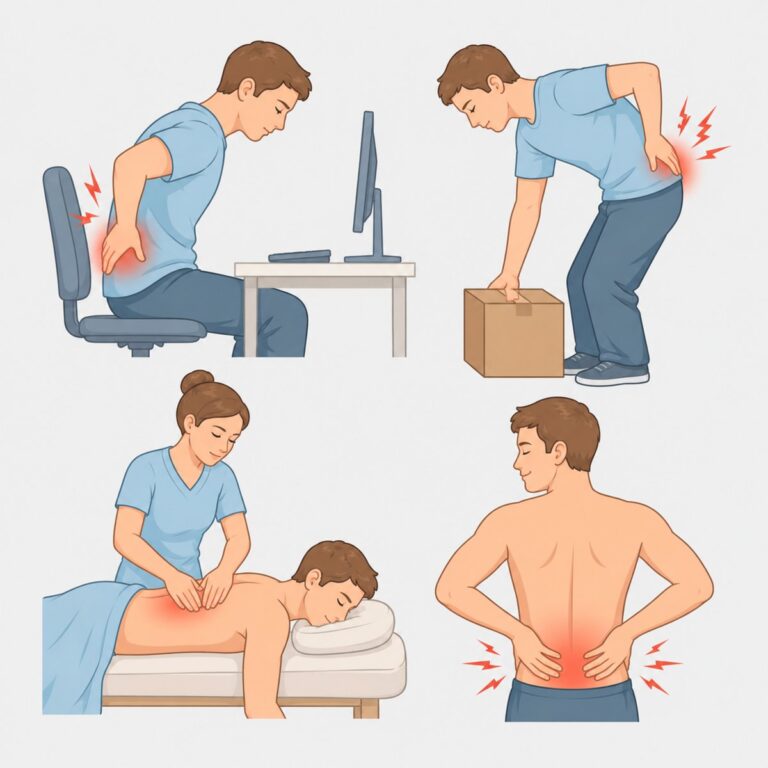
Static load from the backpack: An 8-kilo daypack presses on your shoulders, trapezius and lower spine for hours. The result: tight trigger points between the shoulder blades and a dull ache in the lower back.
Reduced oxygen at altitude: Above 1,500 metres, metabolism changes. Muscles produce more lactate and recovery slows down — especially when you haven’t been drinking enough.
Uneven terrain: Loose stones, roots and steps force small stabilising muscles in the feet and hips to make constant corrections. These muscles rarely work this hard in daily life — and they let you know about it.
First aid right after the hike
What you do in the first one to two hours after your hike largely determines how stiff you wake up the next morning. Four simple measures work surprisingly well.
- Cool foot baths against swelling
Soak your feet for 10 to 15 minutes in cool water, ideally between 12 and 16 degrees Celsius. The cold constricts blood vessels, reduces micro-inflammation and prevents swelling. In summer, a quick dip in an alpine stream works wonderfully — luckily, in the Allgäu this is often possible right beside the trail.
- Elevate the legs
Lie down for 15 minutes and place your legs vertically against a wall. This position relieves the venous system, helps drain fluid out of the legs and gives the calves immediate relief. A simple but very effective measure after every long tour.
- Hydrate, hydrate, hydrate
An adult can lose up to a litre of fluid per hour of summer hiking. A dehydrated body recovers poorly because the muscle fibres can’t get the nutrients they need. Drink still water or a light apple spritz after the hike — 0.5 to 1 litre on top of what your thirst tells you.
- Gentle stretching, not aggressive ones
Hard stretching right after a hike can further irritate the micro-injured fibres. Stick to short, soft movements: calf stretch on a step, hamstring stretch standing, hip flexor in a lunge. Hold each position for 20 seconds — no bouncing, no pulling.
Why a professional massage helps so much faster
Self-care is good. A professional sports massage is better — especially when you want to be on the trail again tomorrow. Three reasons why a session with a trained masseur pays off:
Deep effect instead of surface work: Your own massage techniques usually only reach the surface muscle layers. An experienced therapist works specifically into the deep leg muscles, the piriformis and the side of the hip — areas that are particularly tight after a long mountain tour and are nearly impossible to reach yourself.
Boosted metabolism: Classic massage techniques like effleurage and kneading have been shown to increase blood flow by up to 100 percent. This speeds up the removal of metabolic waste from the muscles and shortens the recovery phase significantly.
Targeted trigger point release: What hurts on the foam roller and barely helps can be resolved by a therapist in two or three minutes. The typical hiker trigger points in the calf complex and quadriceps respond very well to targeted pressure.
What happens during a sports massage after hiking
A recovery sports massage is different from a relaxing wellness massage. It’s more targeted, more intense and focuses on the muscle groups under load. A session usually lasts 45 to 60 minutes.
Brief consultation: Which tour, how long, how many altitude metres, where does it hurt the most? These answers shape the individual treatment strategy.
Warm-up phase: Long-stroke effleurage across the back, glutes and legs brings the muscles up to treatment temperature and prepares the tissue.
Deep phase: Kneading, rolling and targeted trigger point work in the most heavily loaded areas. This phase can be intense, but never unbearable. Speak up if a spot is particularly sensitive.
Cool down: Quiet, long strokes relax the nervous system and close the treatment gently. Many hikers feel as good as new immediately after the massage.
Typical Allgäu loads and how the body responds
Certain tours in the region produce very characteristic complaints. Knowing this helps you receive truly targeted treatment.
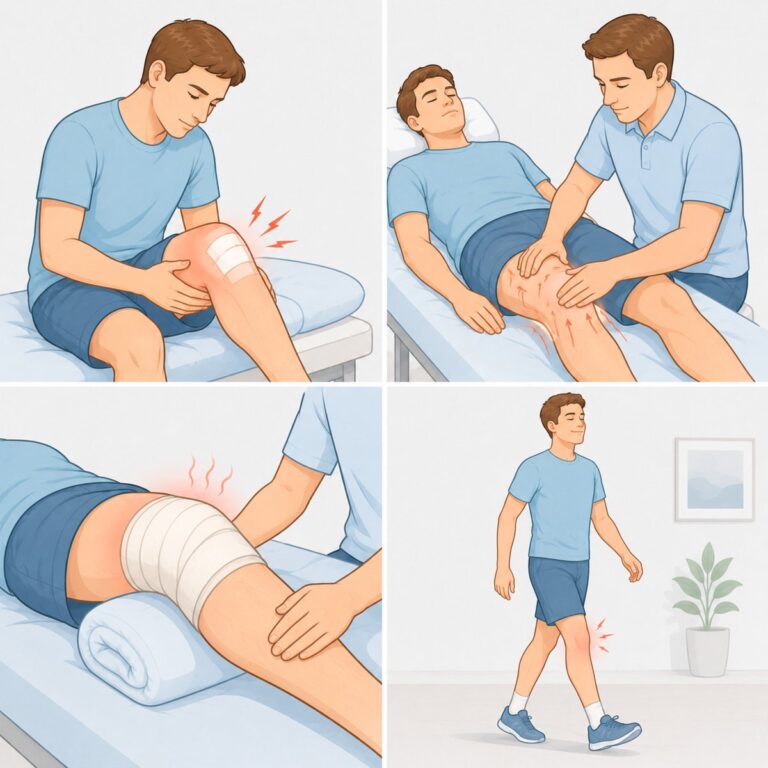
Long descents from Hochgrat or Nebelhorn: Place enormous load on the quadriceps and the knee joint. Typical symptoms are burning front thighs and a slight knee creak. A combination of classic massage and targeted fascia work on the iliotibial tract helps here.
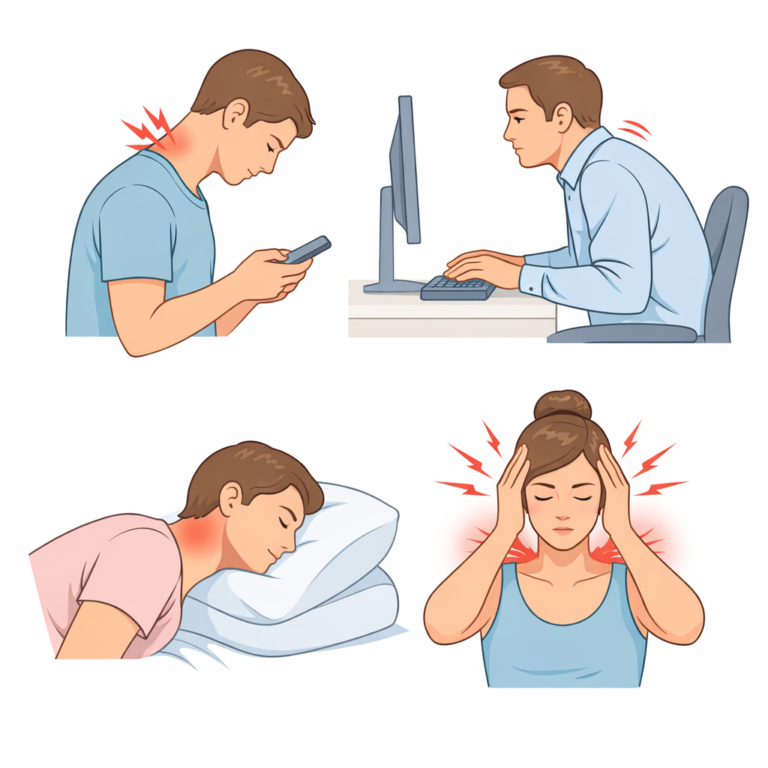
Via ferrata routes around Aggenstein: Stress the forearms, shoulder girdle and deep abdominal muscles. Classic massage of the upper extremities combined with trigger point therapy in the trapezius and chest muscles releases the typical neck and shoulder tension.
Multi-day tours on the Maximiliansweg: Often lead to chronic exhaustion of stabilising muscles and pressure points on the feet. Foot reflexology combined with lymphatic drainage is particularly effective here.
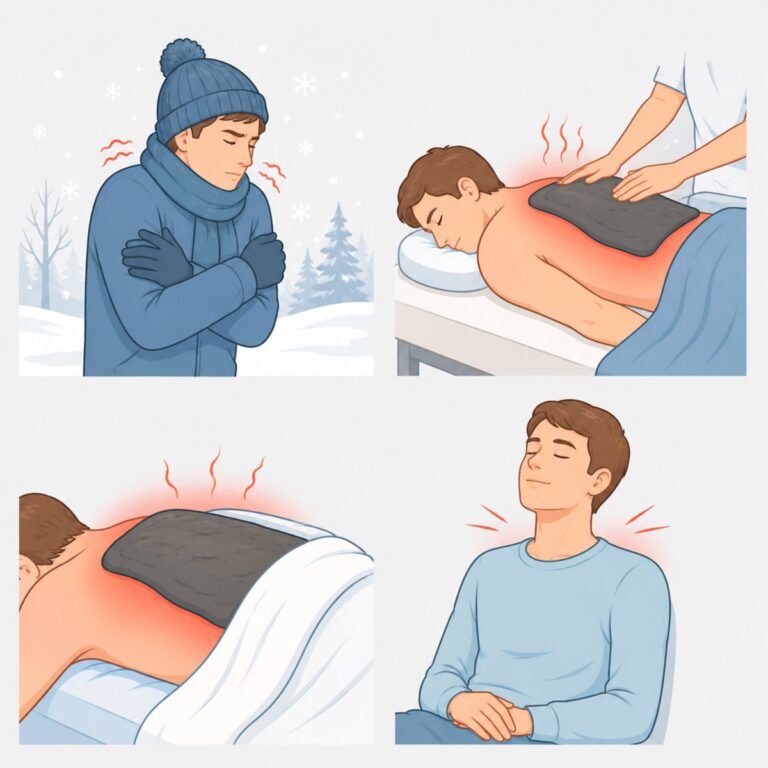
Snowshoe and ski tours in winter: Stress the leg flexors and gluteal muscles through constant stabilisation in soft snow. A sports massage combined with a fango heat treatment works wonders.
Mobile massage at your hotel — the insider tip for hiking holidays
After a five-hour tour, no one wants to drive a car or sit in an unfamiliar practice. That’s exactly where mobile massage shines: the therapist comes to your hotel, holiday apartment or mountain lodge.
You save the journey, don’t have to go back out on the road afterwards and can simply relax, shower or sleep. Mobile massage works just as well as treatment in a practice — the therapist brings a folding table, fresh towels and high-quality oils. All you need is a quiet room with about three square metres of free floor space.
In the Allgäu we regularly look after guests in hotels in Immenstadt, Sonthofen, Oberstdorf and Bühl am Alpsee, as well as holiday apartments around the Großer Alpsee. Bookings are often possible at short notice, even on the same day.
What to do and what to avoid after the massage
To make the benefits of the treatment last as long as possible, follow these simple rules in the first 24 hours after the massage:
- Drink one or two glasses of warm water immediately after the session
- Skip alcohol and heavy, fatty meals in the evening
- Take a warm shower, but skip an intense sauna for the day
- Postpone very demanding activities until the next day
- Make sure you get a restful night — the body repairs most intensely during sleep
When you should see a doctor first
Massage does not replace medical diagnostics. See a doctor before the massage if you experience any of the following: sharp, one-sided calf pain with swelling (possible thrombosis), sudden chest pain when breathing, severe knee pain with swelling and restricted movement, or pain that does not ease after 48 hours but gets worse.
Stay fit for your next Allgäu adventure
Hiking is supposed to be fun — not the start of endless muscle soreness. With the right recovery, you’ll be back on your feet the next morning and ready to enjoy the next stage. A professional sports massage is the single most efficient investment in fast recovery.
Book your mobile sports massage at your hotel or home now: phone +49 176 931 47 313. Appointments across the entire Allgäu, often available at short notice after your mountain tour. Classic and sports massage, trigger point therapy and fango — all from one trusted therapist.